Hi Ed, and welcome to the forum!
I'll let someone else come up with the pro's and con's of each, other than to say that I've had a 2.4T and loved it. I've now got a 2.4E for restoration, but have yet to drive it

. Happy to give some general buying tips though ....
I'm no expert, but I suppose the first thing to do is narrow down a bit further what you are aiming for:
Right hand drive? Harder to find, carry a premium (30-40% I would think), may be rustier (even rustier

) than a good lefty.
LHD: Easier to find on the market, less expensive and insurance no problem, so don't worry about that.
Matching numbers (engine to chassis)? Nice if you find one, but over here we don't seem to mind non-matching cars. Or to put it another way, probably better to buy a good non-matching car, than a poor matching one.
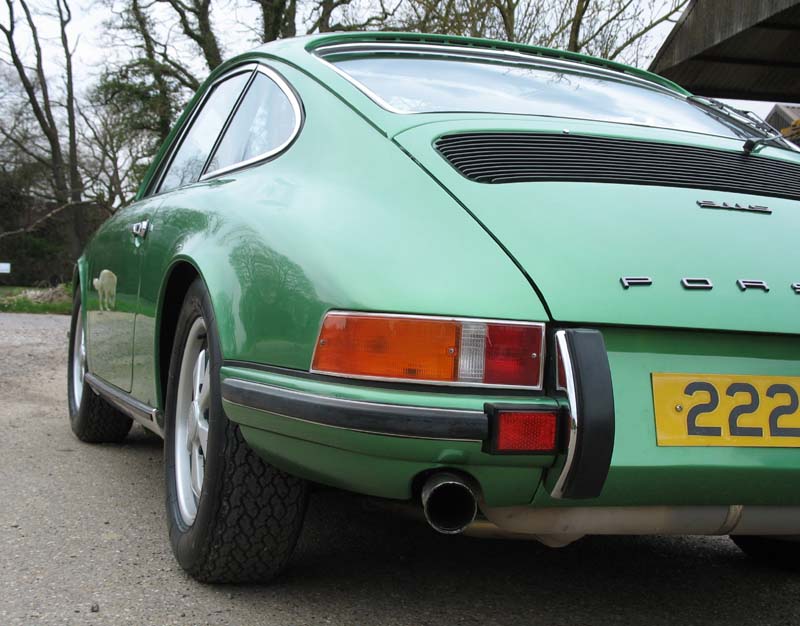
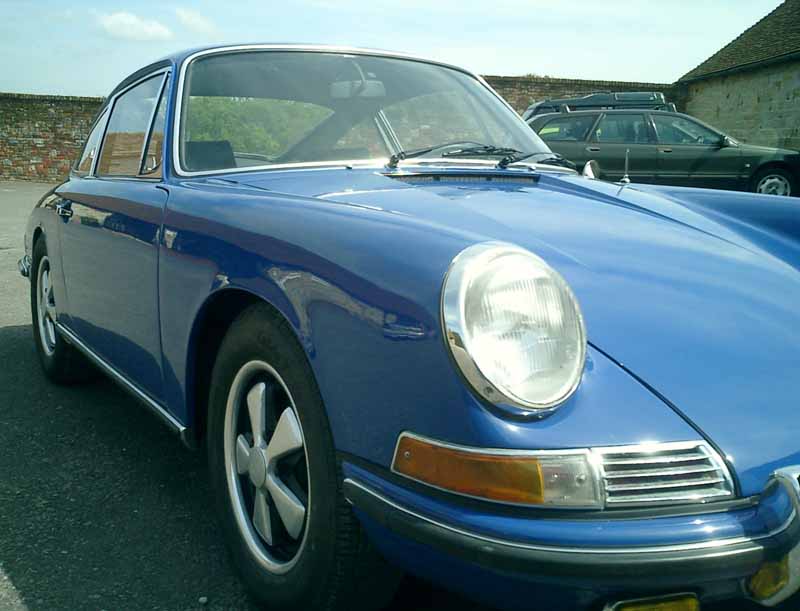
Colour? Early Seventies 911's do well in the bright 'safety' colours, so you're pretty safe with most of them, so it's whatever you fancy really. I can't think of any really 'doom' colours, I guess because the car's shape is so perfect.
After the above it's going to come down to the car having the correct bits on it, and above all, body condition. It's nothing to put £10K into a body that looked quite good to start with. For originality the Dr Johnson book on the early 911's is perfect, sorry I can't remember it's name, as mine has gone.
So what to look for: all the usual classic car stuff: evidence of rebuilds / maintainence / servicing etc. Use the many books to check that you've got the correct bits.
The gearbox type (915: 1st left and foward, reverse right and back) should be correct (usually is) Check the engine number matches the type (i.e. make sure you're 2.4E engine isn't really a 2.2T): you can ask for info here, as many of us can cross reference numbers.
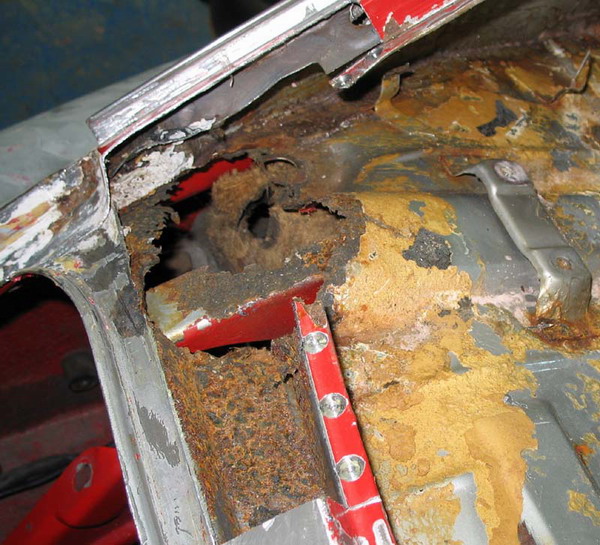
Like I say the main thing is bodywork. All the usual, poor paint, poor panel shutlines, bubbling around the bottom corners of the front and rear screen. Then there are the miriad 911 places. Front to back includes:
1) Under the car, look on the part that carries the towing eye: this forms part of the front suspension mounting as it works rearwards: check all around here, plus the matching part in the boot (spare wheel out, carpet up). Follow this panel right around where the suspension mounts on, and be firm with it: give it a good prod as it's easy to hide rust here.
2) Under the front wings put your hand up and feel the very top of the inner wing almost in line with the wheel: mud tends to collect all along here and rust the whole top of the inner wing.
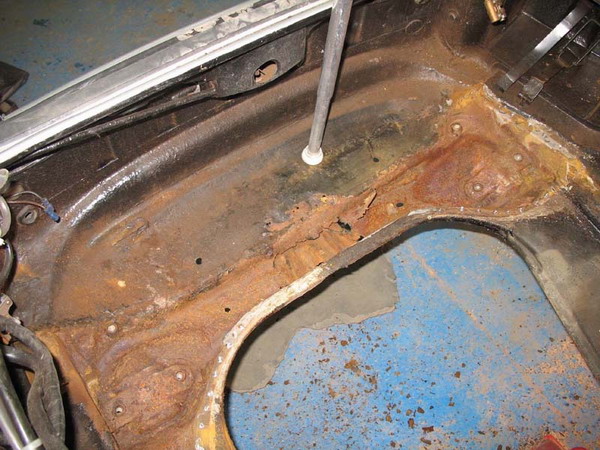
3) Almost straight down from here you will see the bottom of the front inner wing 'hoops' over the track rods / steering. Check fore and aft of this area for kinks: shows front end damage. Also at the rear of the front inner wings, where there is the vertical front wing closing panel check around the base of the inner wings. This is the junction between the front inner wing, the wing closing panel, the outer sill, and within the structure, the inner sill. Invariably there's rust or repairs around here generally.
4) Outer sills (of course), don't forget the very, very bottom: what you are actually looking at here is the base of the 'middle' sill: it often goes right at the bootom. Also look just behind the jacking point.
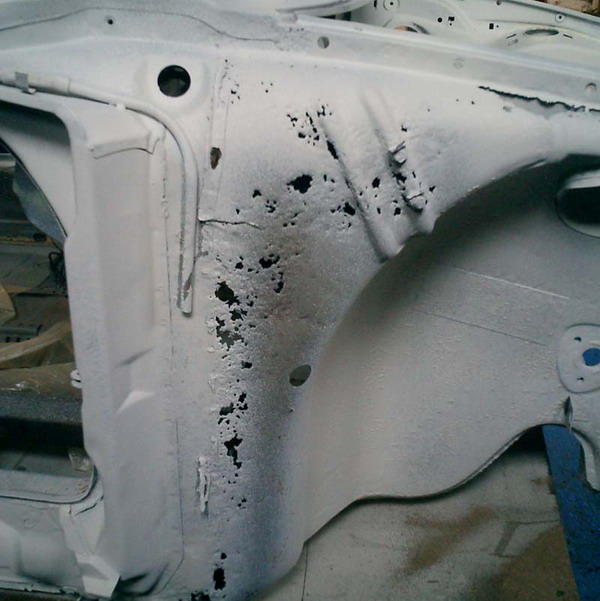
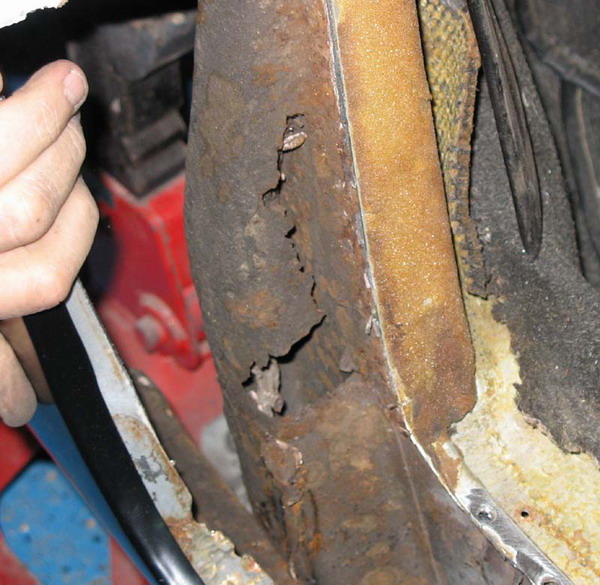
5) Whilst in the area, inside the rear wings, right tucked at the front are the 'kidney bowls'. These often look O.K., but you need to try to feel around the front of them: there's not much space. Mud gets trapped here, and rots them out. Later the inner wing rots as well, letting water into the sill structure. Also follow the inner wing right down in the front foot or so, where it joins the sills / floor: often the flat, horizontal part goes.
6) Open the door and look at the B-post: look for bubbling around the bottom five inches or so, around the latch and around the engine compartment release.
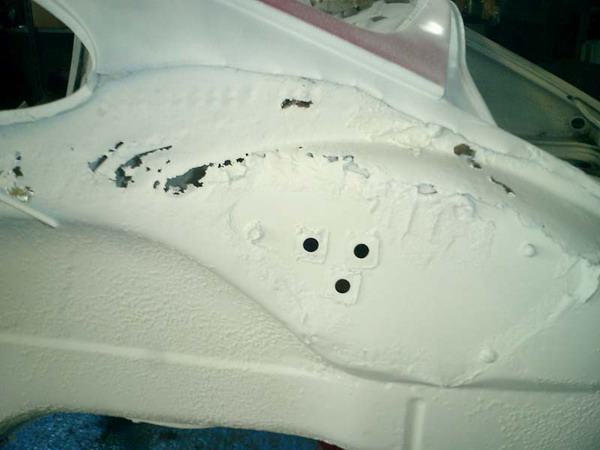
7) Rear inner wings again, towards the rear they curve inwards: like the front they trap mud here and rot. Worth looking inside of the engine bay, right tight at the top, where the bay / inner wing curves up to meet the outer wing. Also on the N/S check along the whole route of the engine bay release tube. It follows the inner wing so closely that it (again) traps mud and help the middle of the inner wing to rot.
8 ) On the outside of the rear wings, have a look around the rear of the rear windows rearwards: look for bubbling as the factory stops up a hole with bitumen here, and sometimes it rots. Also look along the bottom of the rear window: lots of cars have gone here before.
Forgot to say, front wings go just about everywhere, but especially the bottom six inches at the rear, and around the base of the headlight.
This is by no means an exhaustive list, but if the car is what you wanted, matches with the books, has evidence of appropriate work, and the above bodywork checks look O.K. then it's probably worth paying for an inspection.
It's always worth posting on the forum to see if someone's near you to check a car out ....
Hope that helps, and good luck with your search: I'm going to warm up my coffeee


P.S. Re-reading the above it sounds a nightmare: don't worry though, just as long as you do your homework, look at plenty of cars and finally get one professionally checked, you should be fine. Early 911's are steadily creeping up in value, once sorted are reliable, and are a joy to drive. Both the 'T' and 'E' are very usable even in traffic, and are also easily capable of keeping you in comfort over long distances.
 which of course you are very welcome to join. Don't expect to see any cars that evening tho - but I'm sure there'll be lots of Porsche chat