

Hooligan I was…

The 'Maverick' Classic Porsche Forum and Classic Porsche Club for Porsche 356, Aircooled Porsche 911, Porsche 912, Porsche 914 & Porsche Replicas. 'We join for the cars but stay for the people'
Moderators: hot66, Miggs, 58A - 71E, impmad2000, drummerboytom, Barry, Helen, Viv_Surby, Derek, KS, abm914, Mike Usiskin

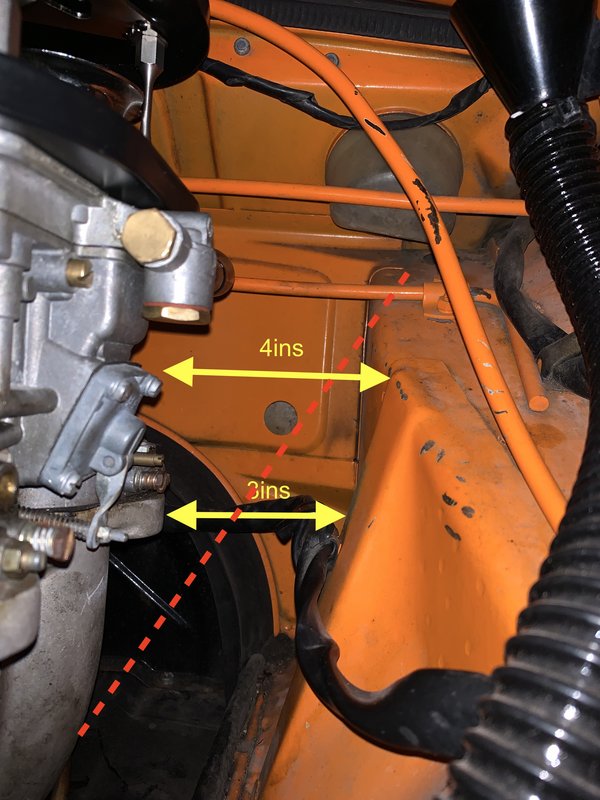
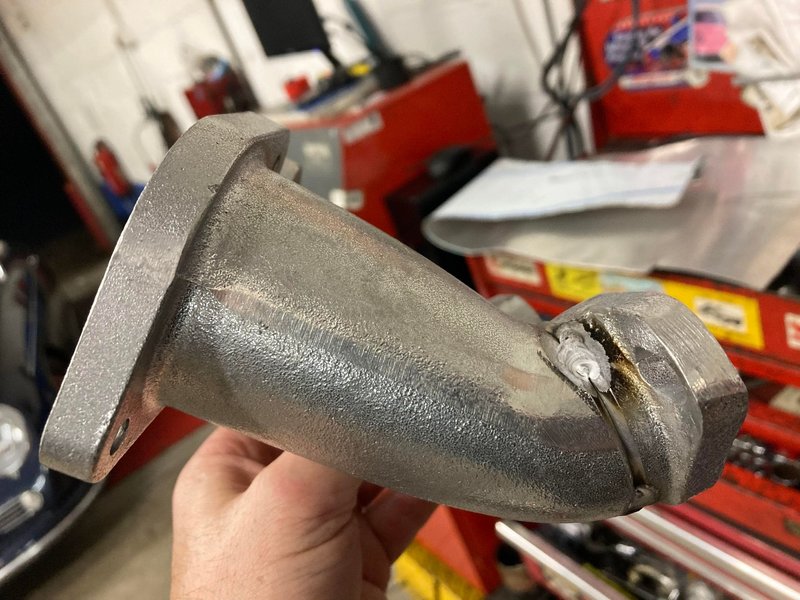
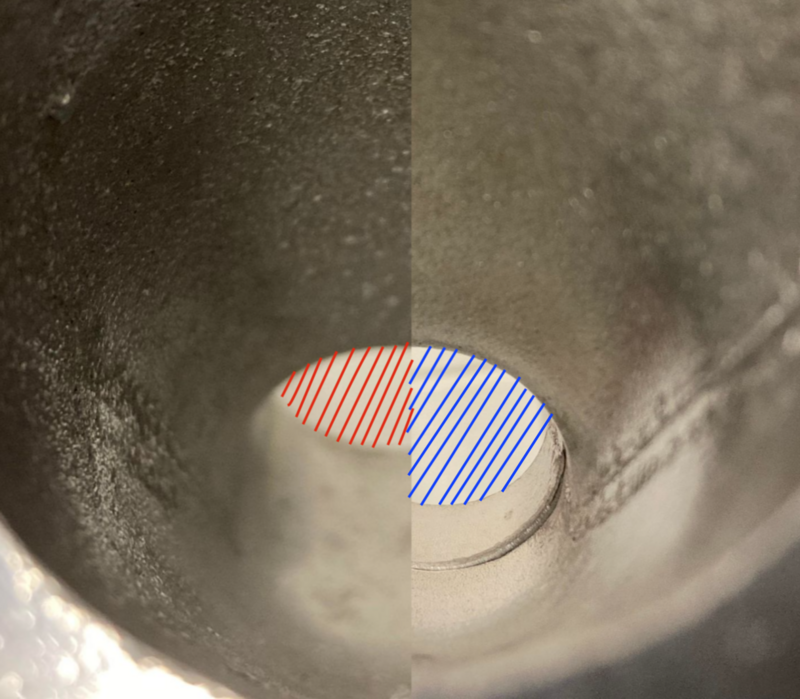
Neil, we're straightening the passage, not increasing the angle... In an ideal world, the inlet manifold would be a dead straight line into the port, but there's not enough width in the engine bay to do that. By moving the throttle body over from vertical, we're doing what we can to improve the flow.neilbardsley wrote:By increasing the angle that the air has to turn is there any chance that you decrease the flow?
Sent from my M2004J19C using Tapatalk
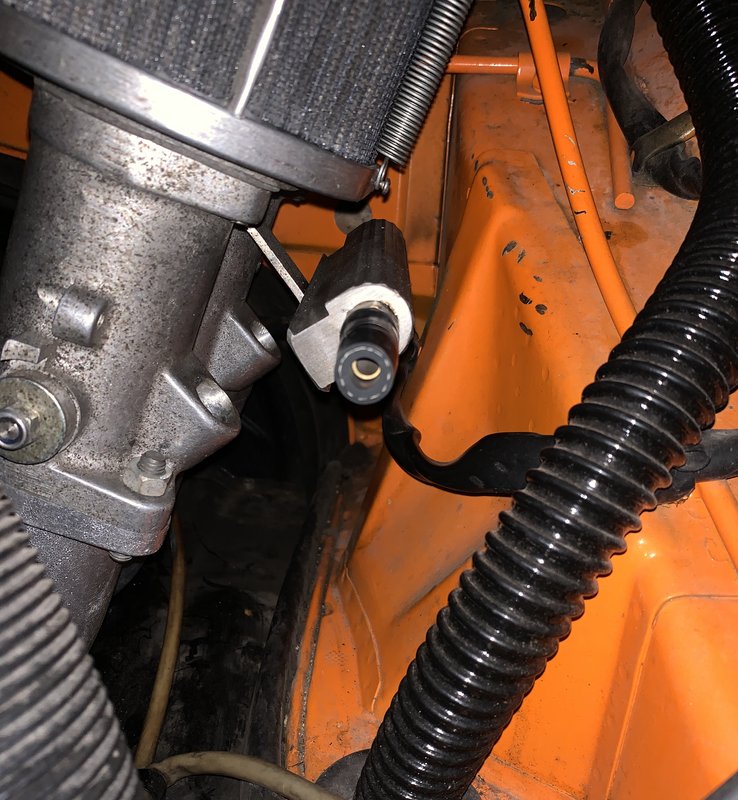
914-6 wrote:Hi Keith
I don't believe the 914 inlet manifolds I have are as sharp a bend as yours.
Have a look here https://www.ebay.co.uk/itm/115076470229
On my 914/6 I tried baffling the carbs to prevent fuel flowing up the bowls on hard corners, couldn't get it to work brilliantly so I went to PMO's.
My Crayford used to run on Solex Pii40's with weir returns to tank----another option?
Cheers
Ian
ps I've also got Heidegger Inlet manifolds from a super vee , not for sale at present but might help you with design

I would be interested to know how much of an improvement that will make.KS wrote:
A little Christmas shopping…
