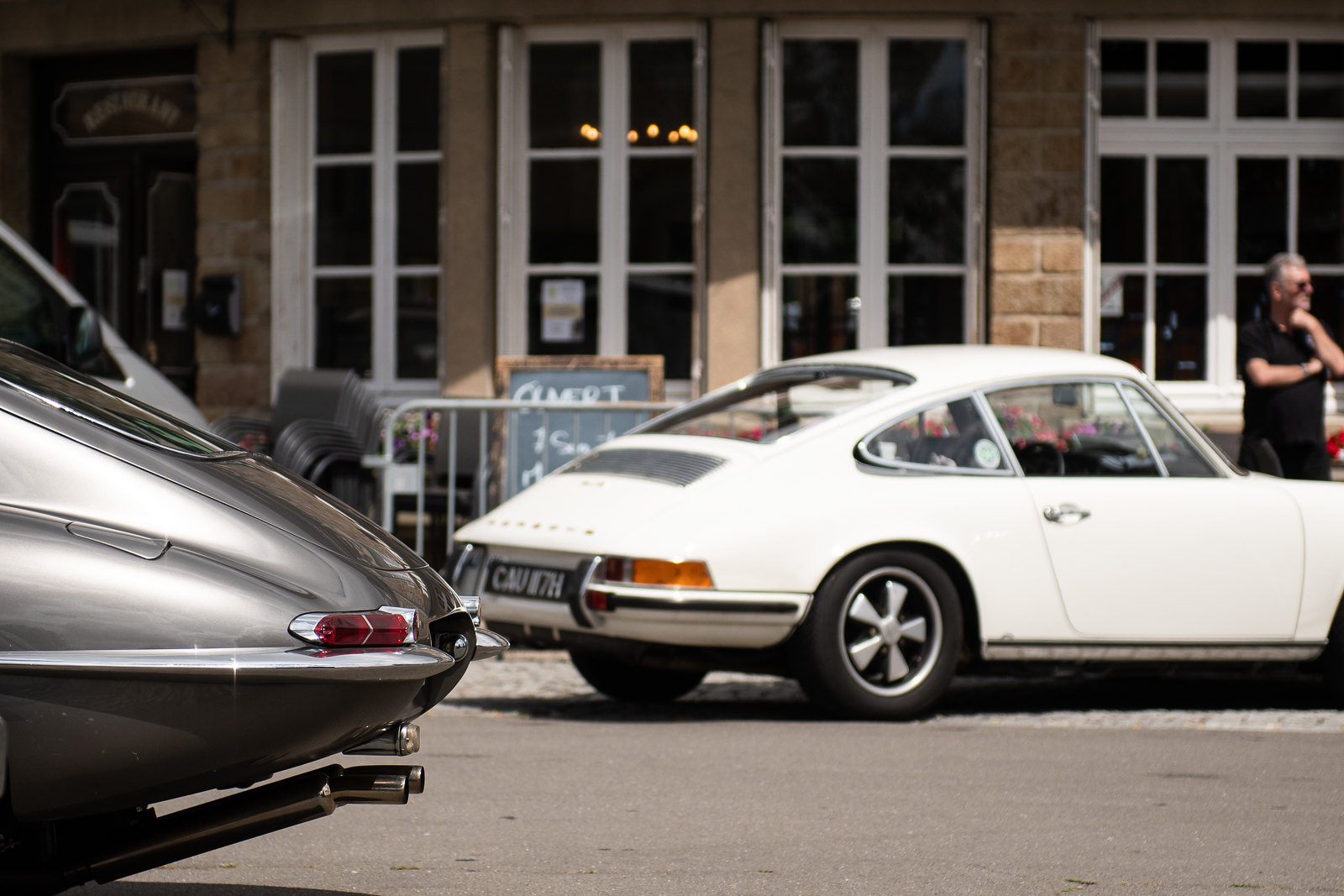
As we chatted in the queue for the boat at Newhaven, it dawned on us that a 4:30am arrival at Dieppe was 3:30am UK time and we questioned our rationale for taking an overnight crossing. Our travel plan for the 10th edition of the Le Mans Classic was hatched back in 2019 for 2020, delayed by global pandemic to 2021 then 2022 so it was unsurprising the finer details had been lost to the mists of time.
Dan Penfold and his ’56 Outlaw, Anthony ‘Bruce’ Duncan’s ’55 Continental & my ’56 V-Sunroof were joined this year by Dave Clark. Since our last trip to Le Mans, Dave’s Airwerx of Ringwood, UK had carried out a sympathetic body restoration on the Continental; Bruce’s trousers no longer got wet when it rained.
Dave immediately demonstrated his value to the team as we disembarked at Dieppe, the ’55 running on 3 cylinders. He quickly had the top off the left-hand remanufactured Solex 32, used carb cleaner to unstick the float valve, re-assembled and once we remembered to re-open the fuel tap, we were on our way.
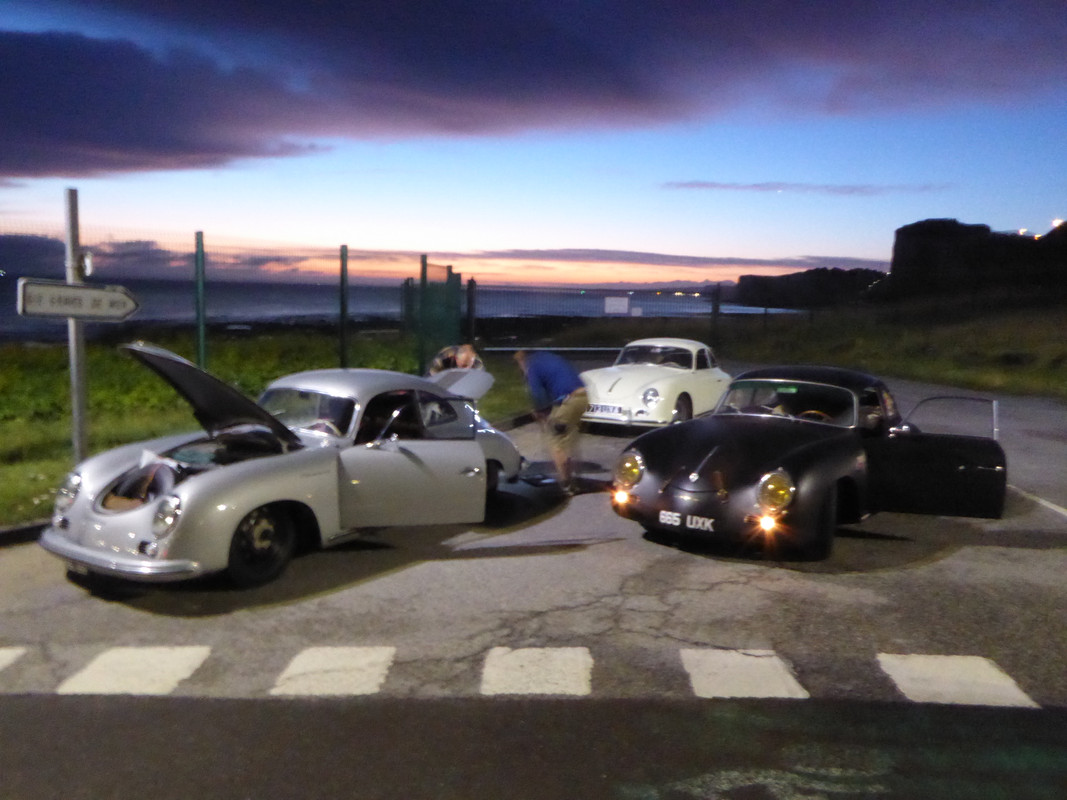
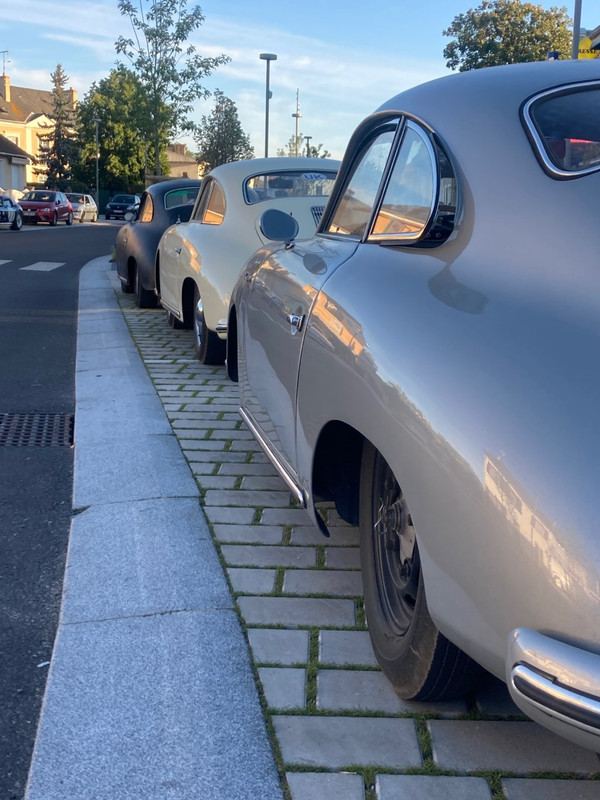
Arriving at the trackside campsite there was evidence of cost-cutting by the organisers with only one toilet block for the whole compound. Also based at our site was Mercedes-Benz Classic and relief was to be found by infiltrating the air-conditioned luxury of their toilet trailer. Thankyou Stuttgart’s next finest! Erecting our tent, we headed to Arnage to enjoy steak and frites as a stream of rare classics passed by on their way to the circuit.
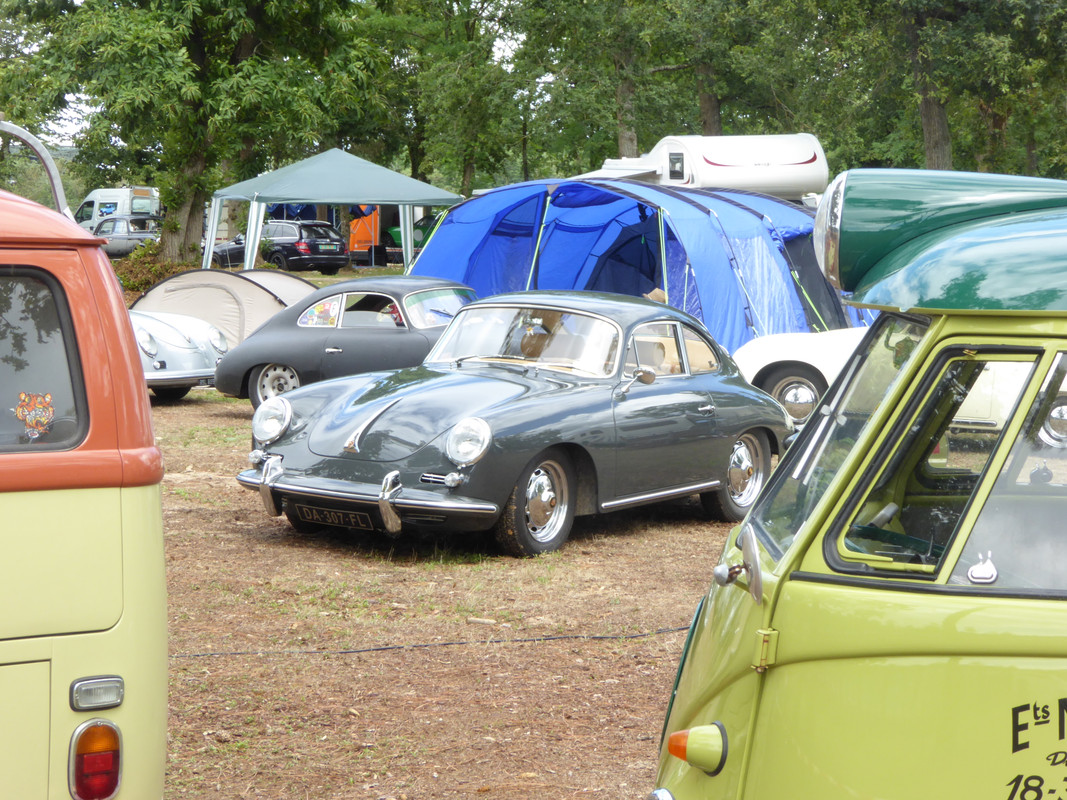
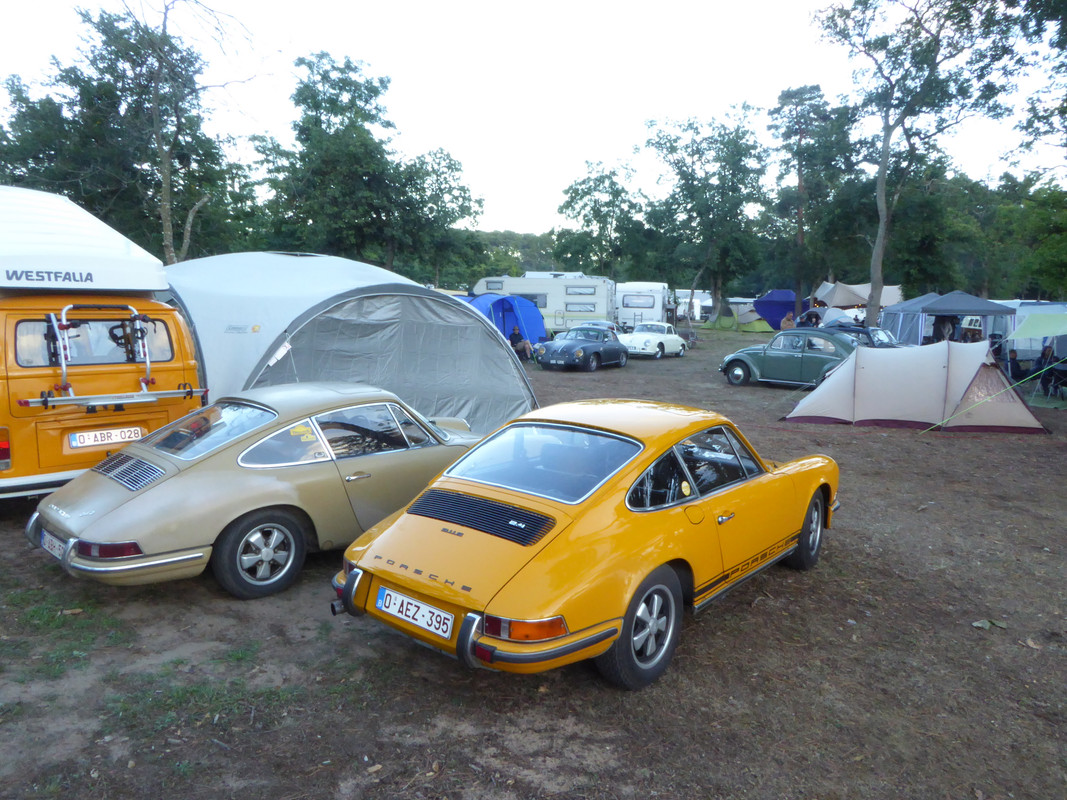
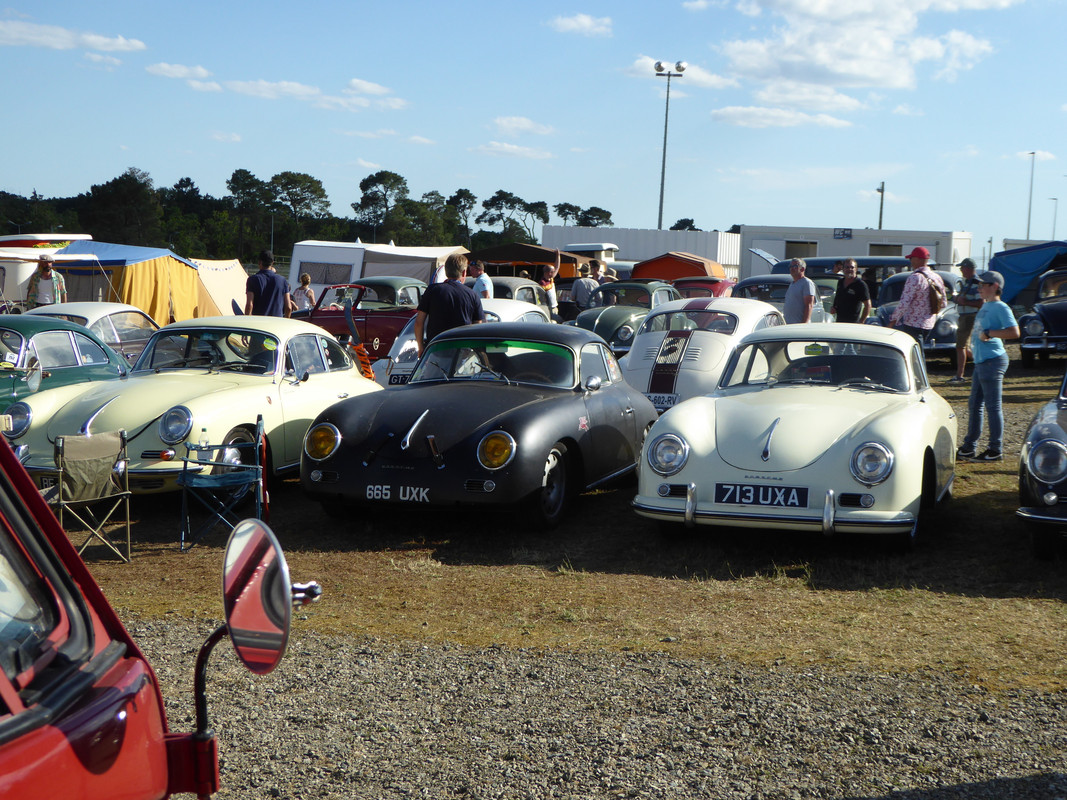
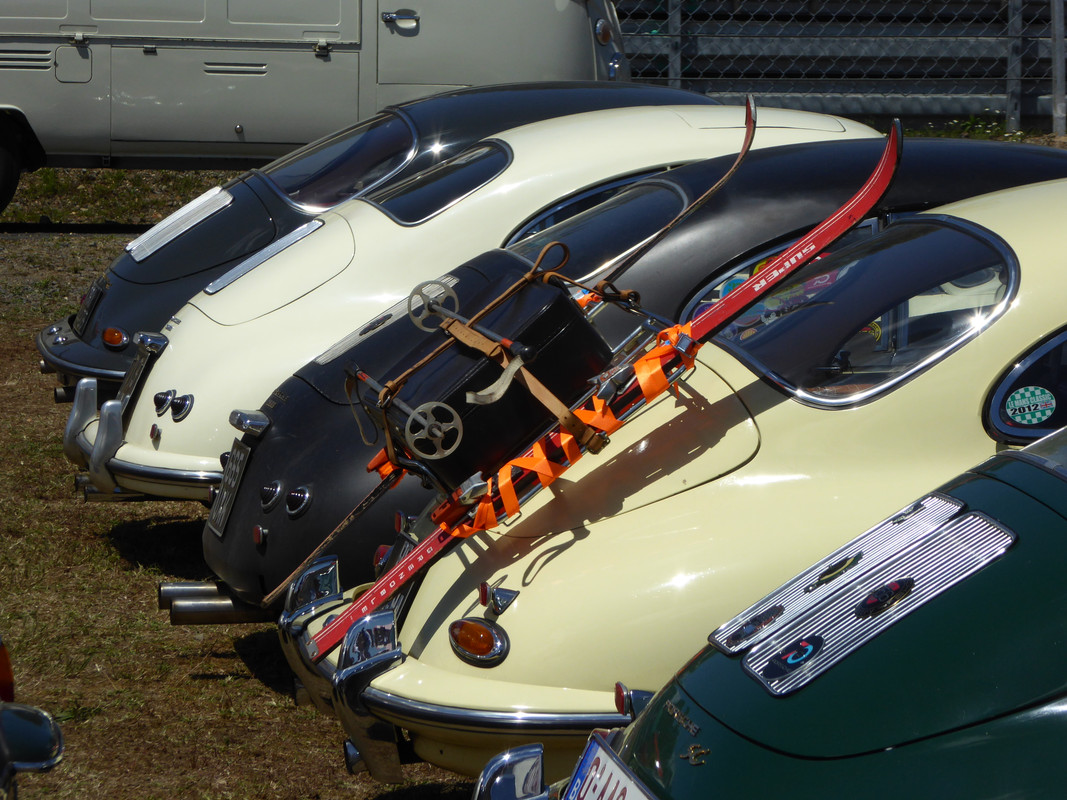
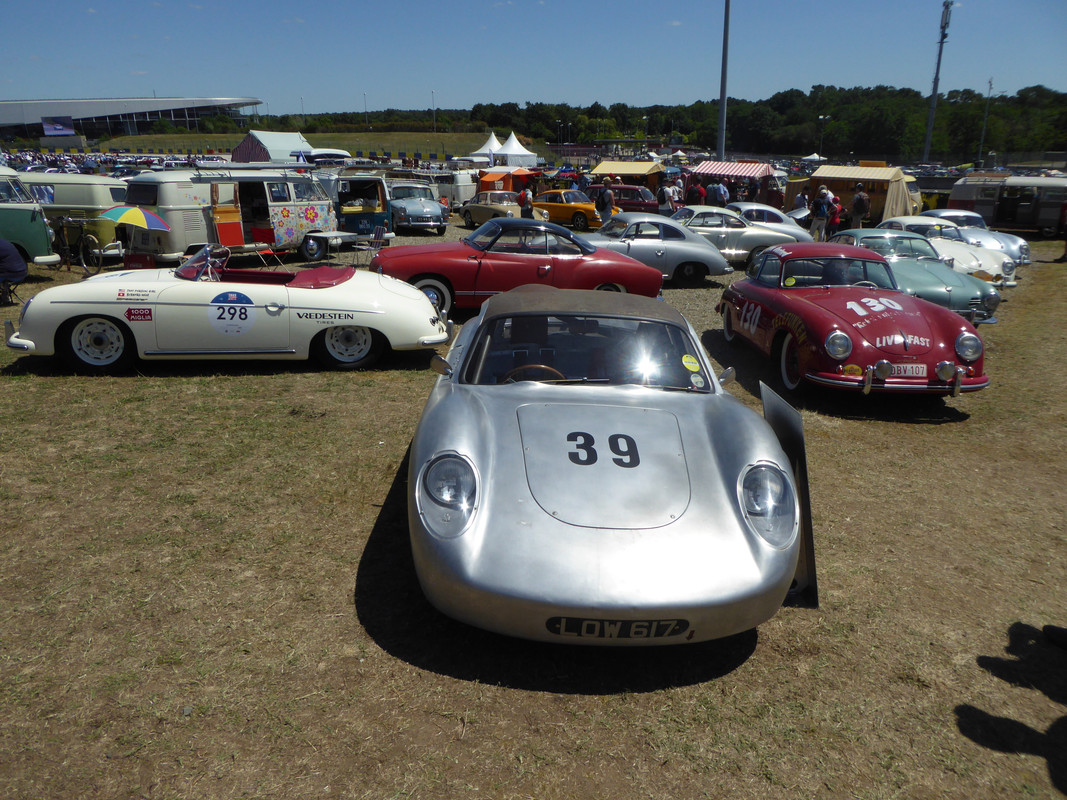
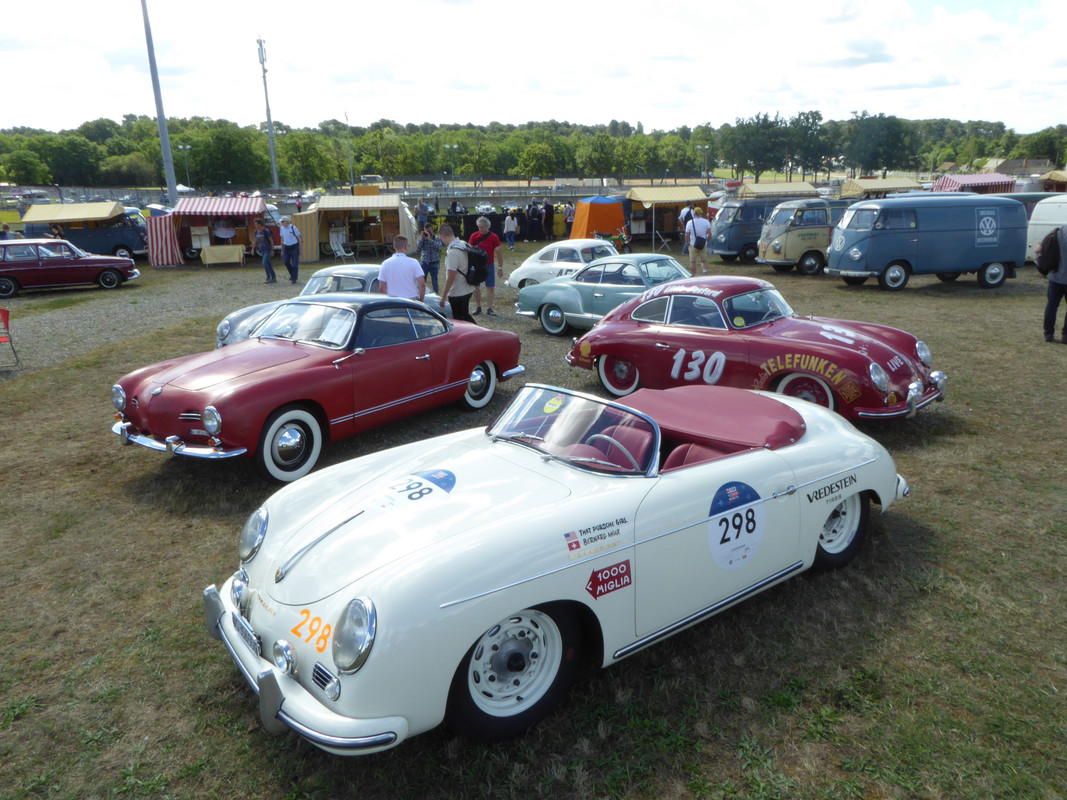
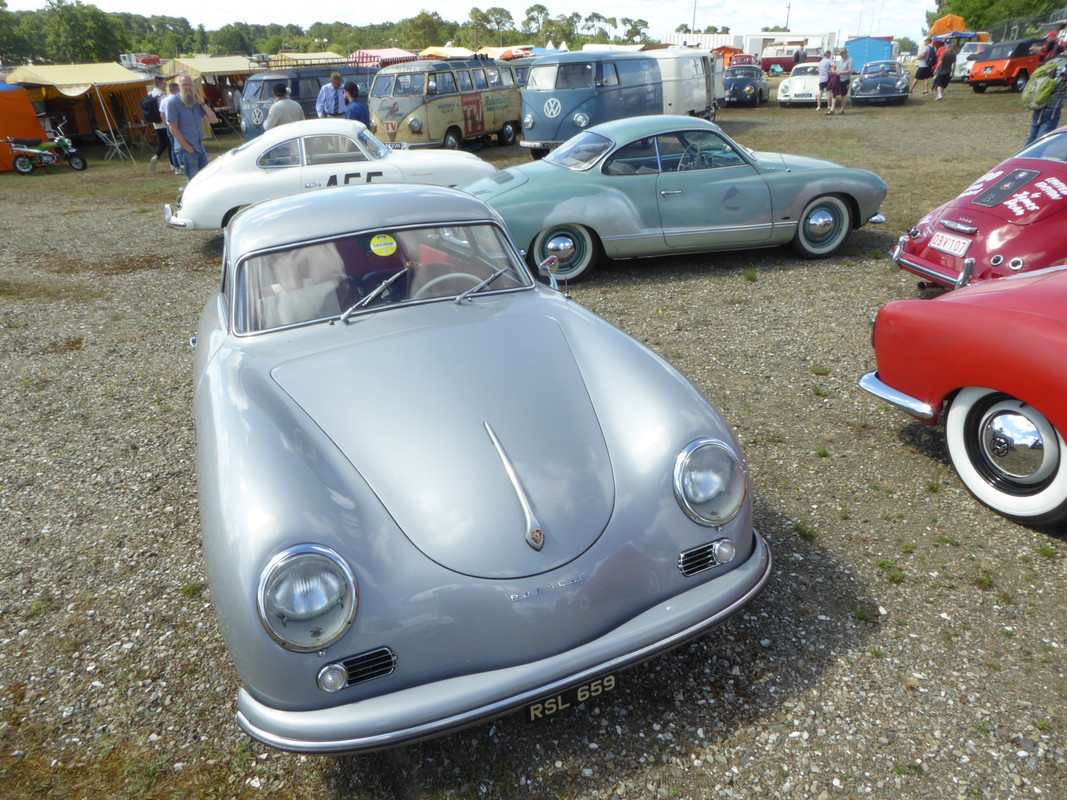
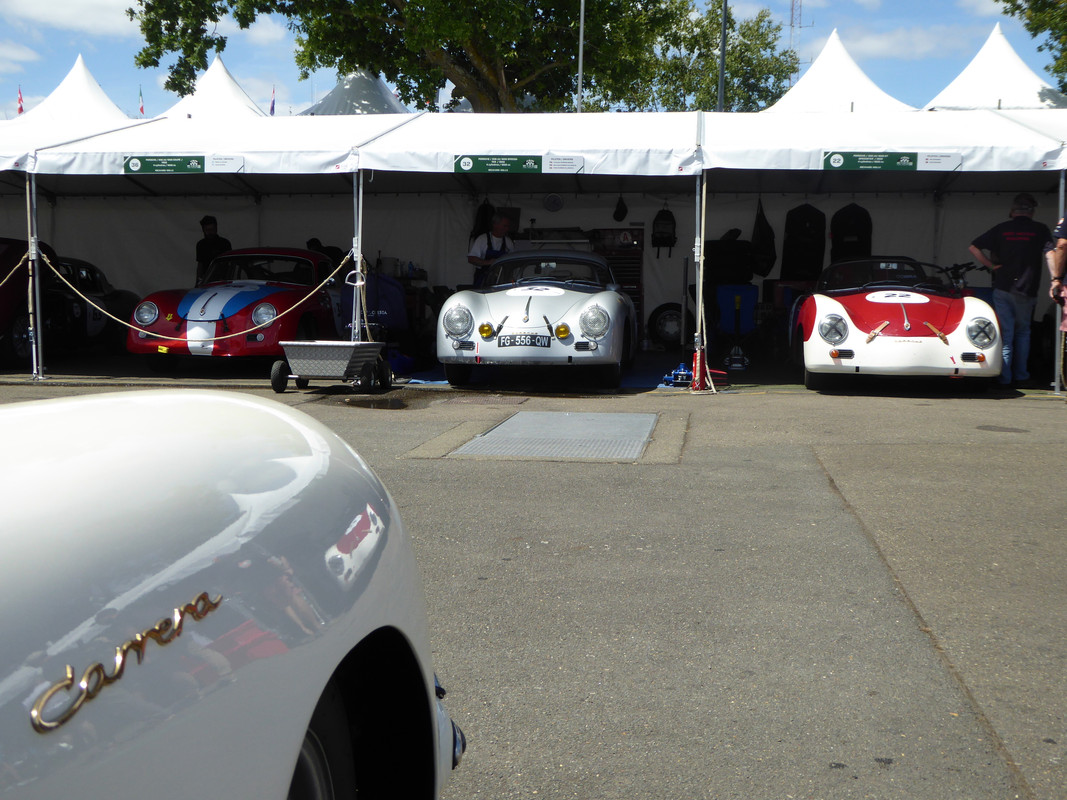
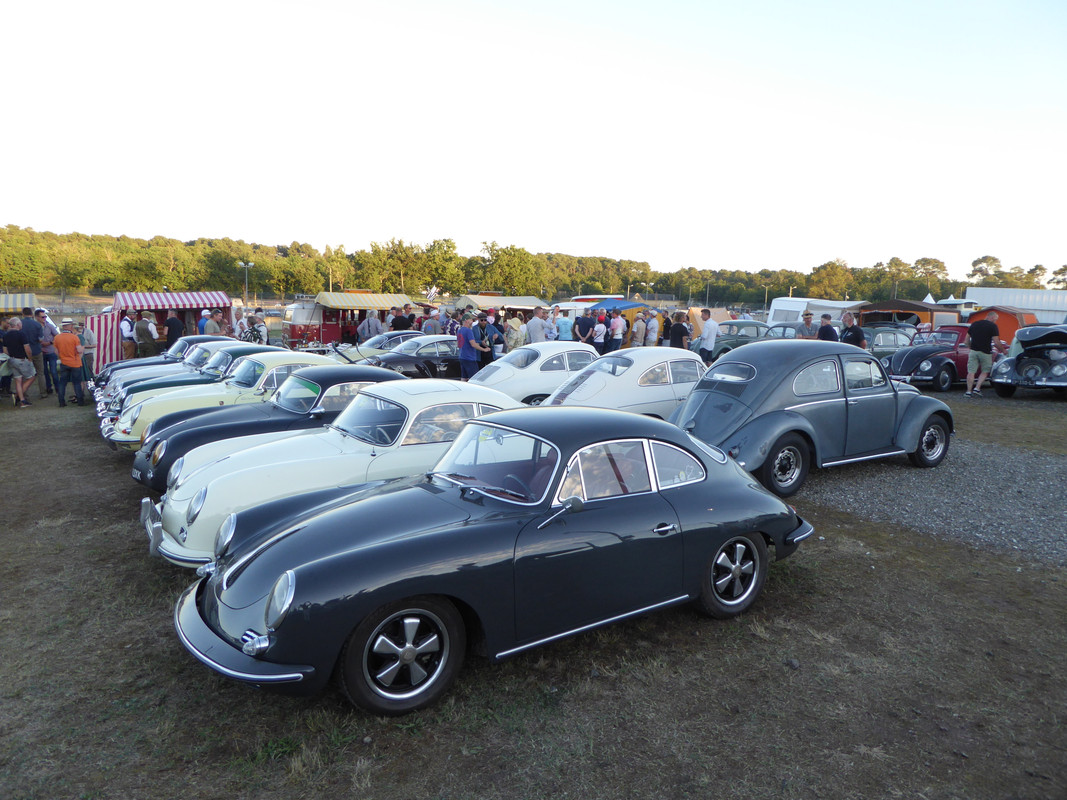
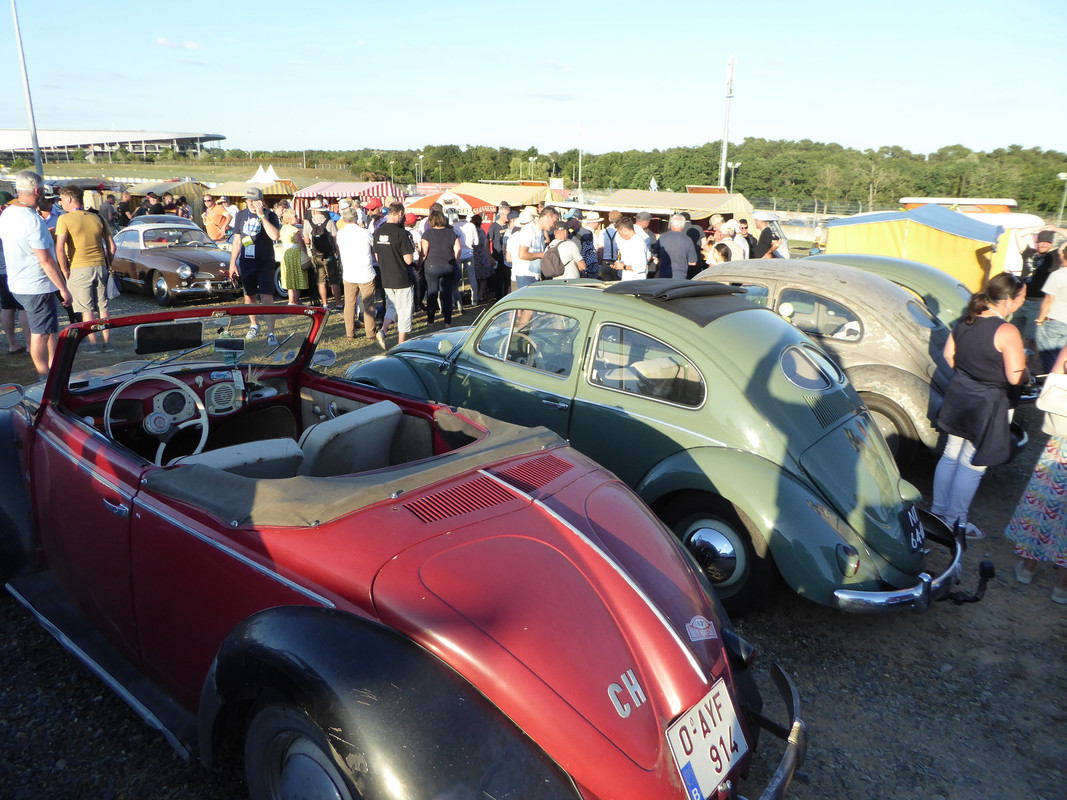
Practice started Friday and we moved our cars to the Original Flat 4 Driver’s Club space, where classic car photographer Remi Dargegen directed (to the millimetre) our display of 110 early VWs, Porsches and associated period coachbuilts and specials.
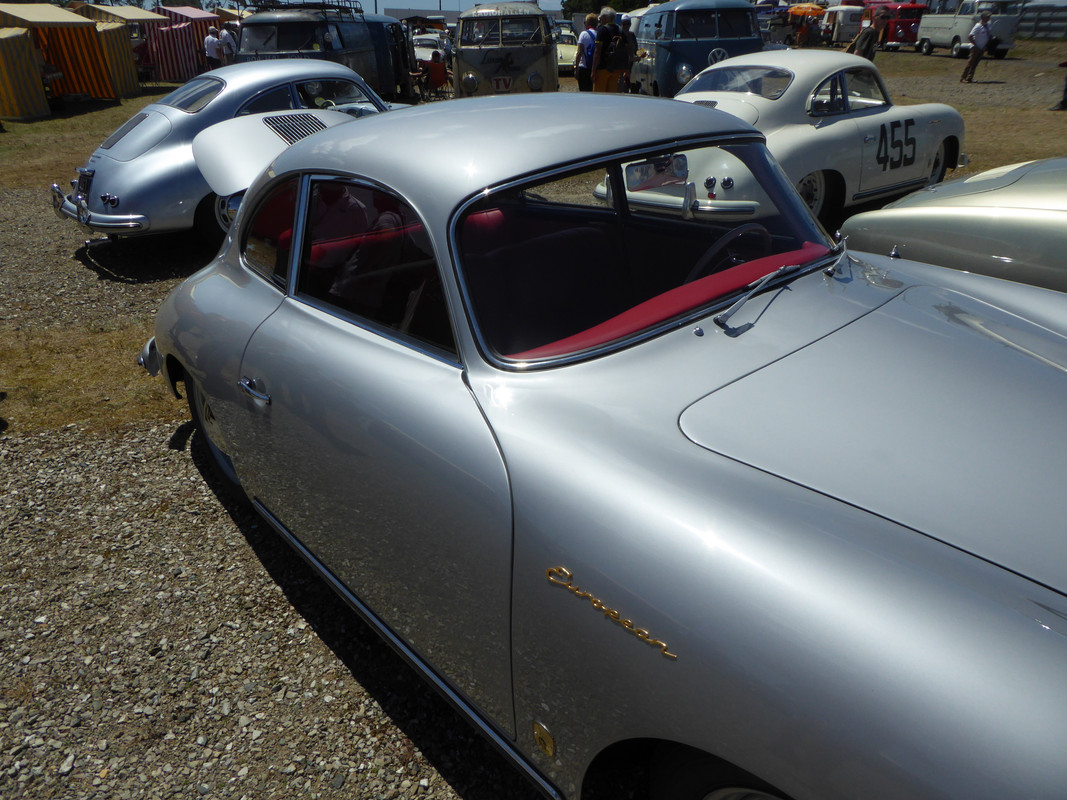
Fresh restoration on a ’55 European carried out by Pascal Knockaert
The Okrasa Special’s mid-engined chassis, built in 1958 by one of England’s first VW & Porsche dealers wasn’t bodied until Steve Wright took up the project 50 years later
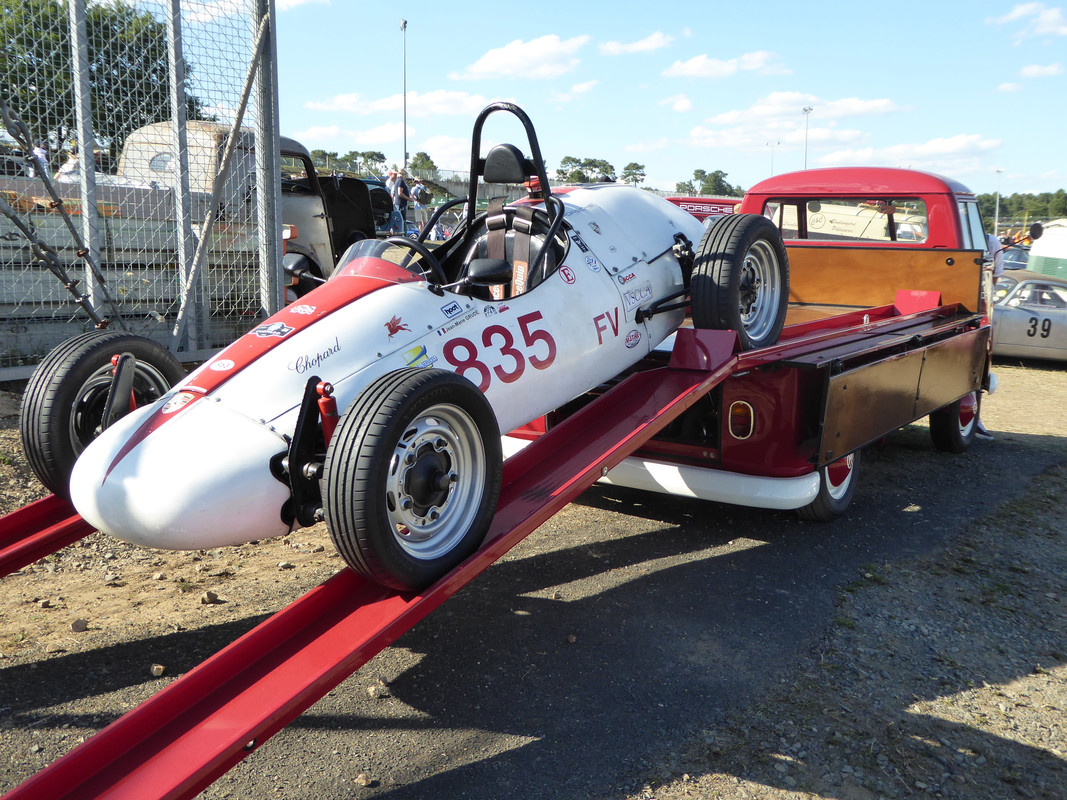
1963 Formcar imported from the US by Porsche introduced Formula Vee to Europe
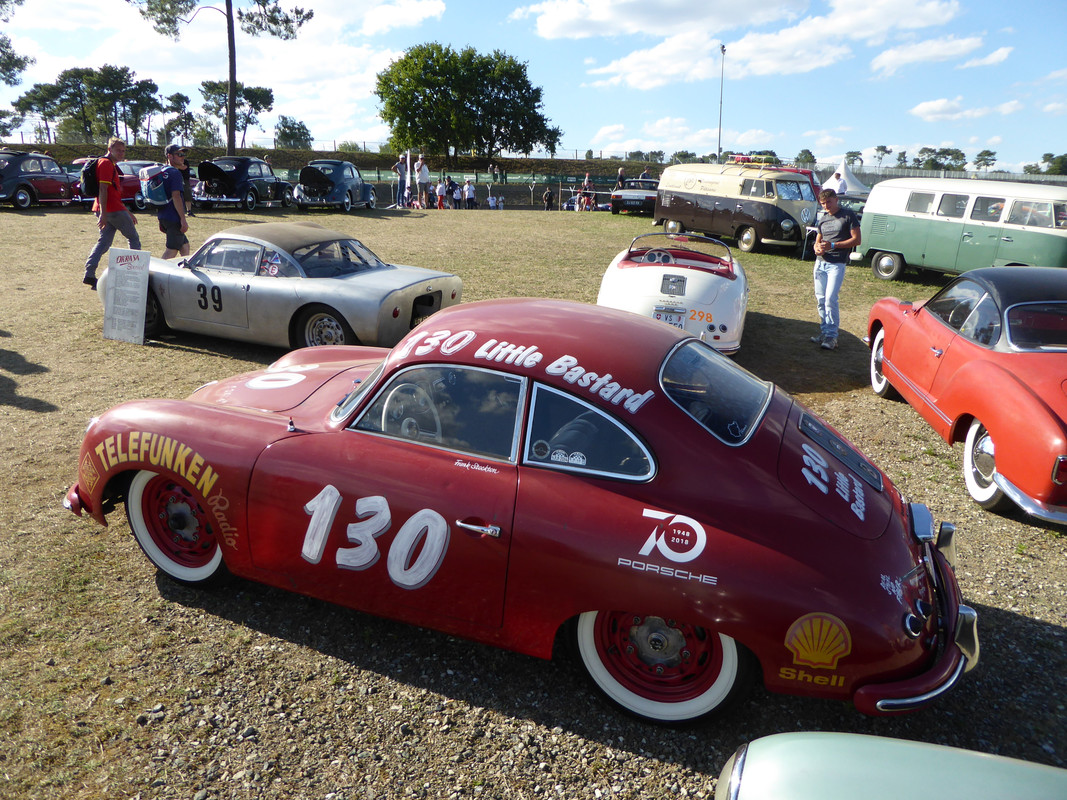
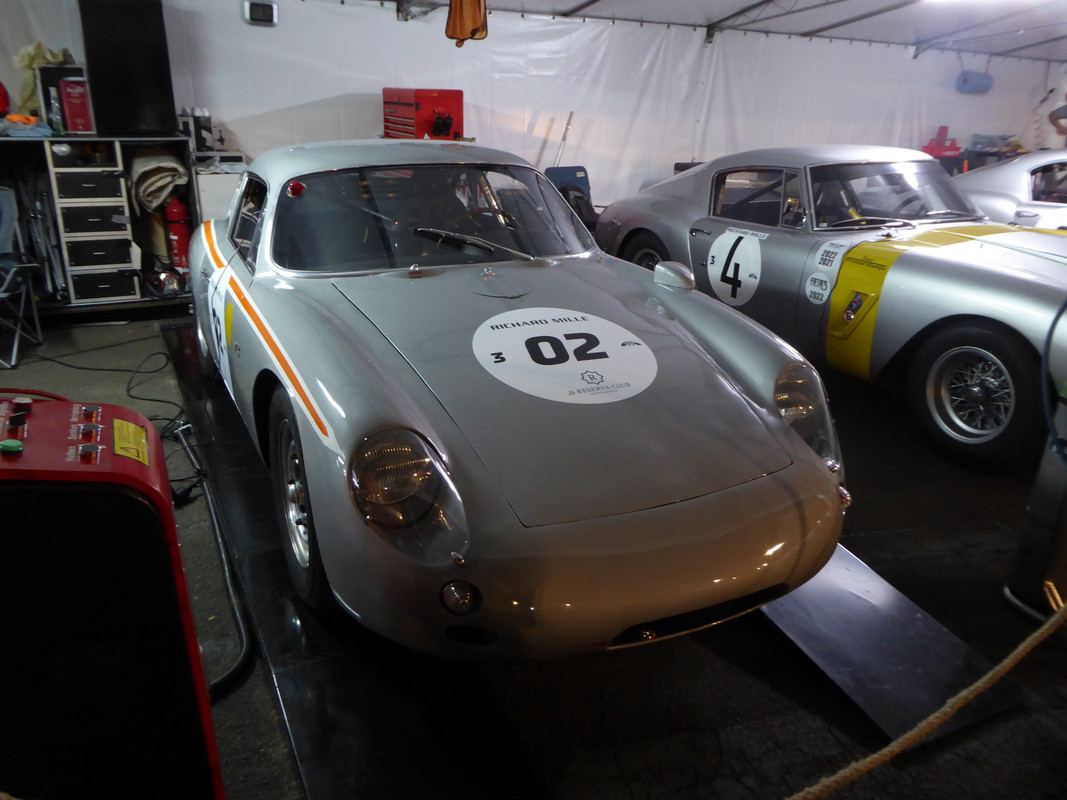
With access unhindered by the health and safety typical at UK circuits, we headed to the paddock. Dan was sporting his ‘Dan Gurney for President’ and 356 Registry name badges. The latter was recognised by racer and Registry member Jean-François Penillard who was competing in his ’54 1300 Coupe. Vic Skirmants (reportedly at Le Mans that weekend) had built the engine. Starting with a 1500 reduced to 1300cc and employing Vic’s signature free-flowing heads it revved over 7400, hitting 117 mph on the Mulsanne straight. Using its weight advantage to overtake the 300SL Gullwing on the brakes at the Mulsanne and Ford chicanes, Jean-François and Vic’s efforts were rewarded by an excellent 2nd place in the engine-capacity-adjusted Performance Index for Grid 2.
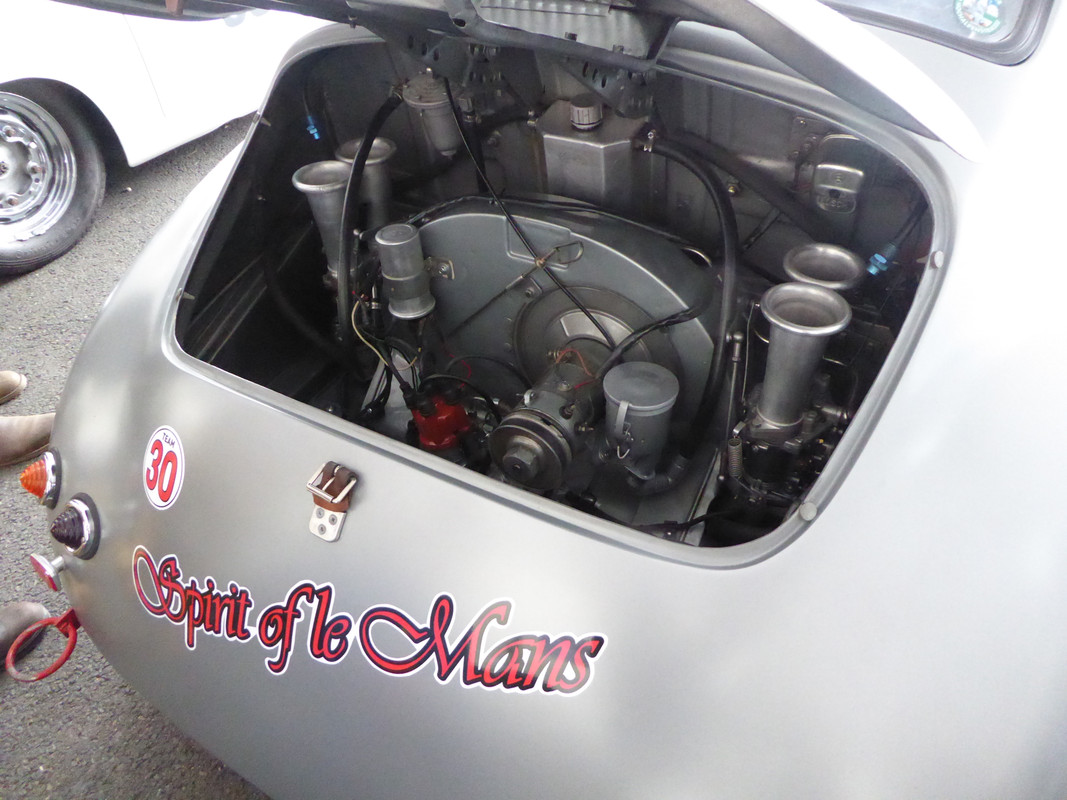
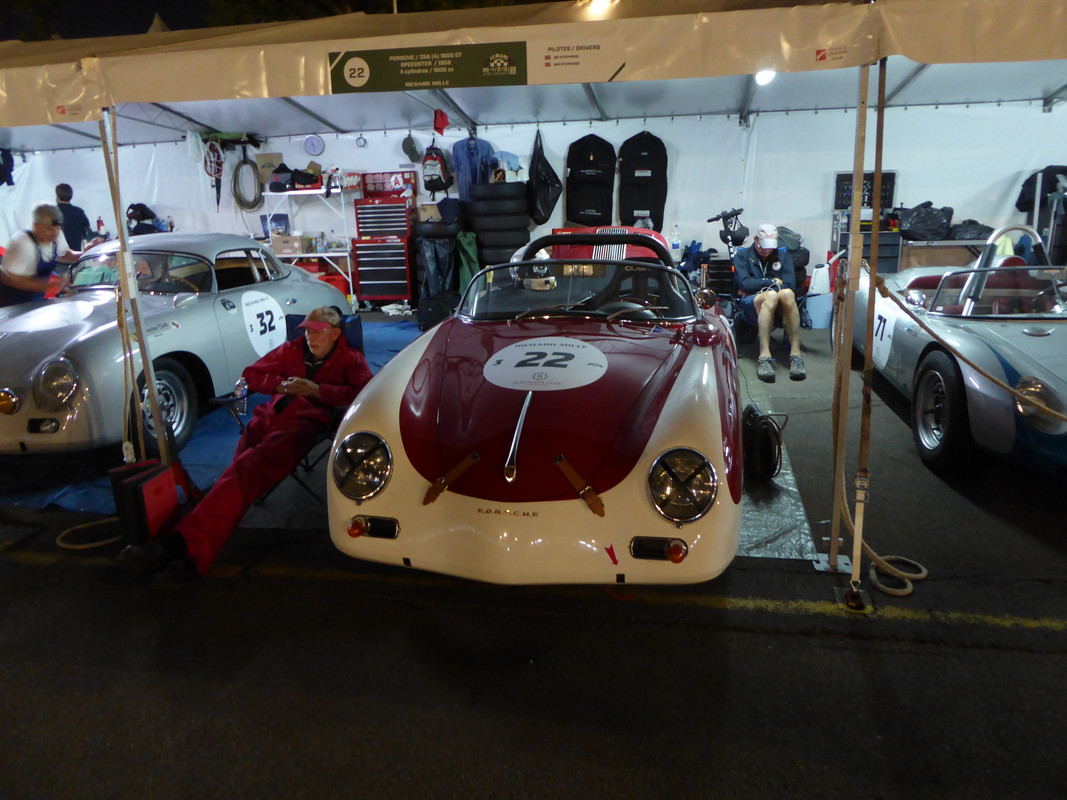
As in 2018, fastest 356 was the pushrod ’59 Speedster GT of father & son team Bill and Will Stephens competing in Grid 3. Completing a lap in 5 minutes 31 in Race 3, the GT was clocked on the Mulsanne straight at 136.9 mph, 4 mph faster than 2018. Viewing the Speedster in the paddock Dan noted it had the annular front / drum brake rear set-up favoured by Bruce ‘King Carrera’ Jennings.
De-bunking ‘you snooze you lose,’ the power-napping Stephens team were the fastest 356 of the weekend
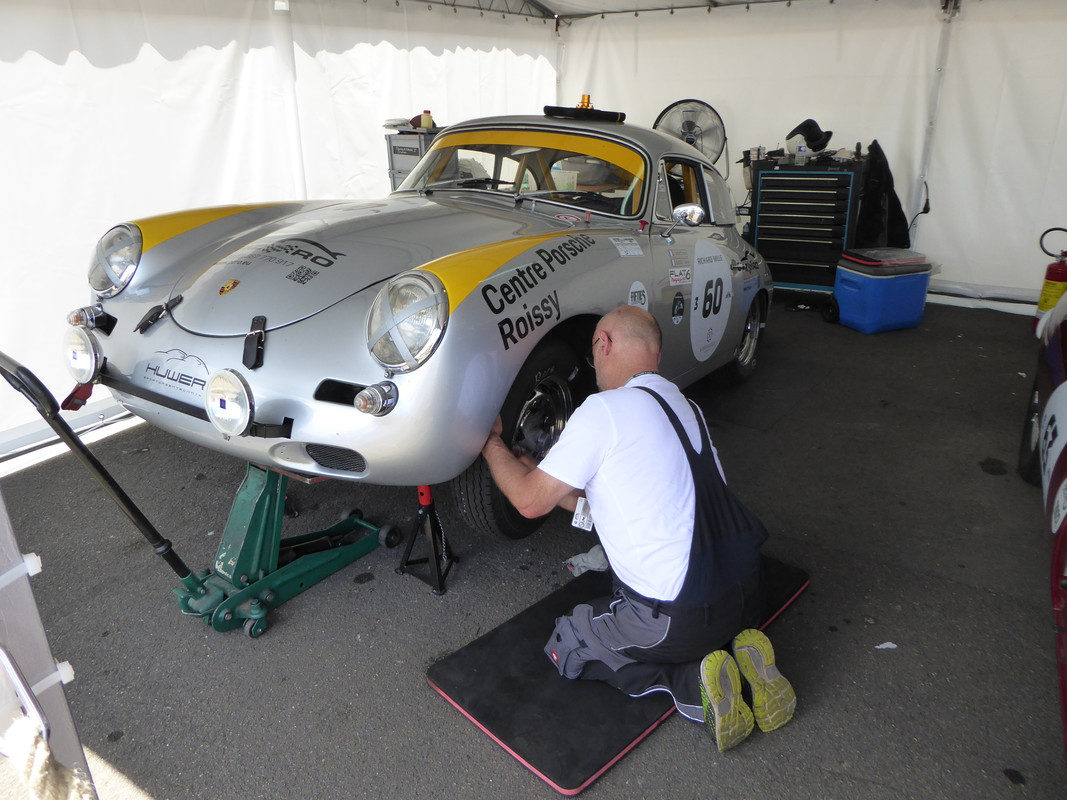
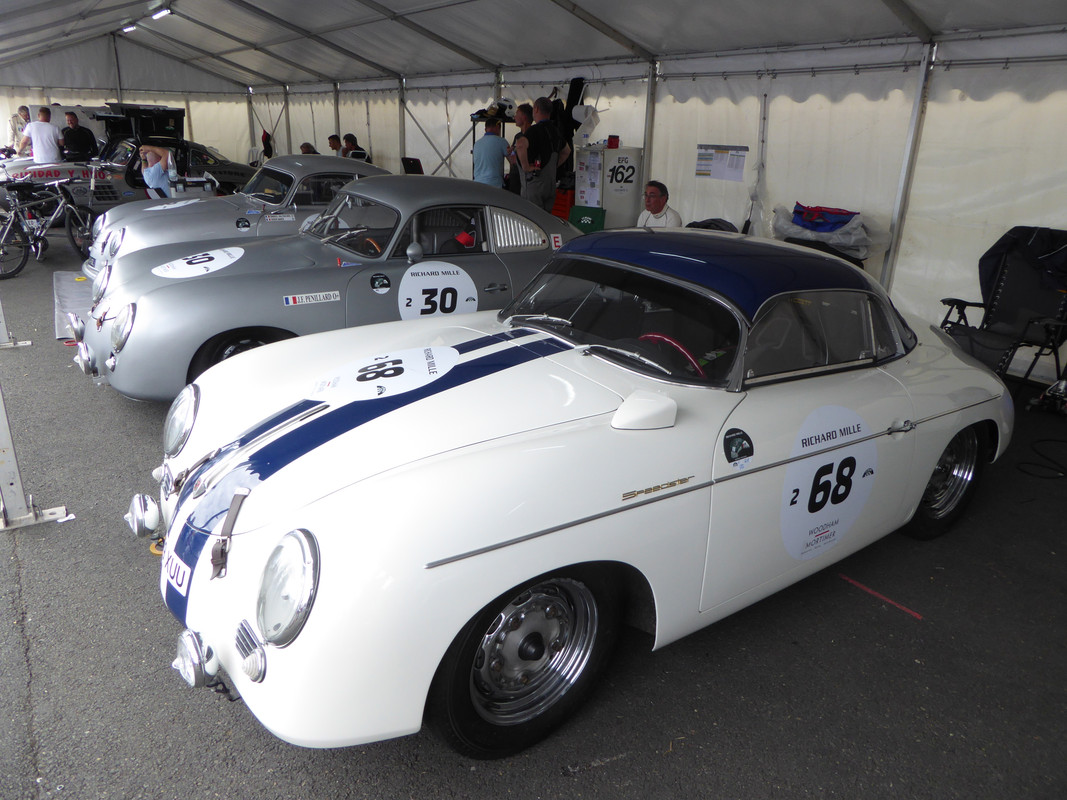
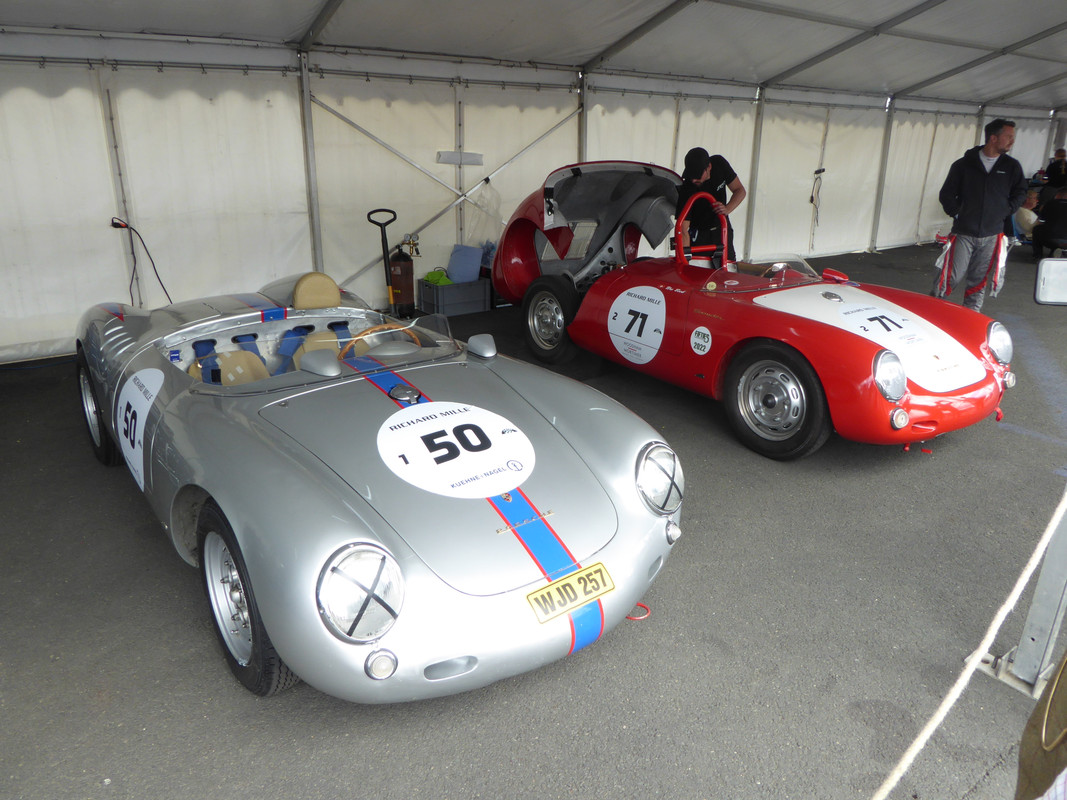
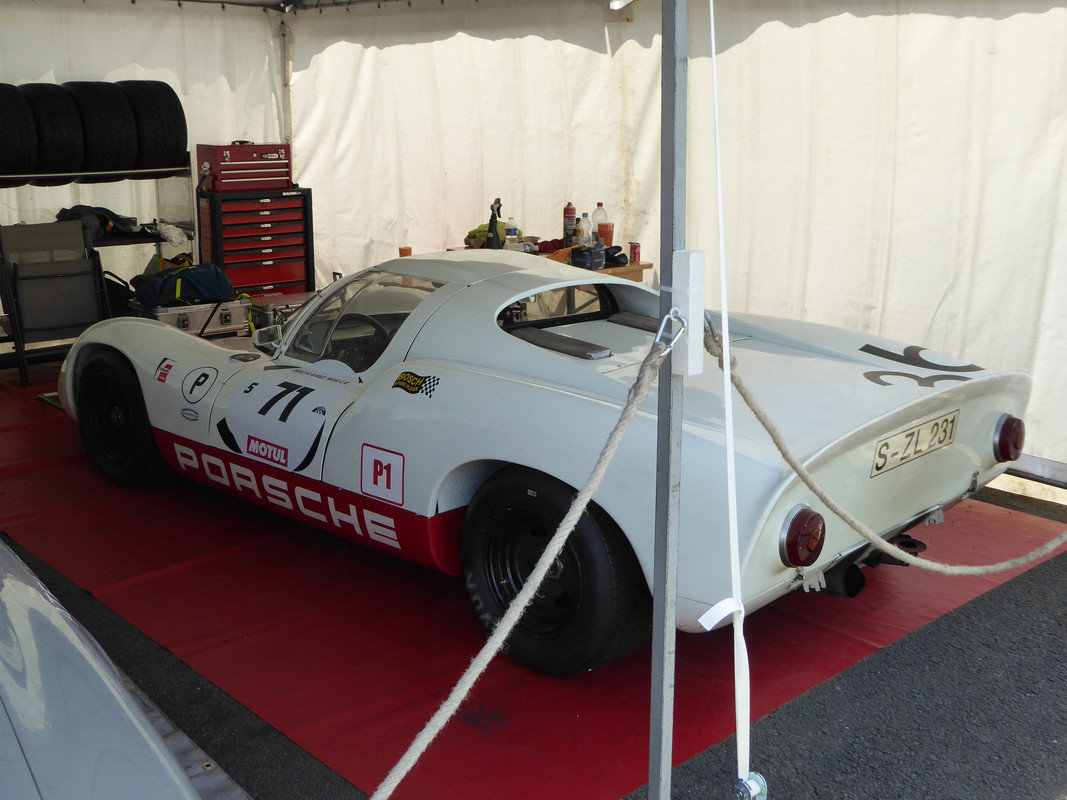
Road & race
Saturday night’s party at the club space was gate-crashed by Gérard Larrousse in one of those new-fangled 911s. This was not just any 911; Gérard was re-united with the ST he had piloted in the 1970 Tour de France. Incentivised by Larrousse’s promise of a bottle Champagne for every kilo under 800kg, the Porsche factory mechanics had produced the lightest 911 ever to roll through the factory gates. Larrousse was beaten into 3rd place by two Matra prototypes whose path to victory was paved by the French government re-surfacing much of the route. Restored in the UK by Historika it was ‘as he left the car yesterday.’ Gérard is still to be found pedalling a 911 in classic racing. Kudos to Remi for pulling off this coup.
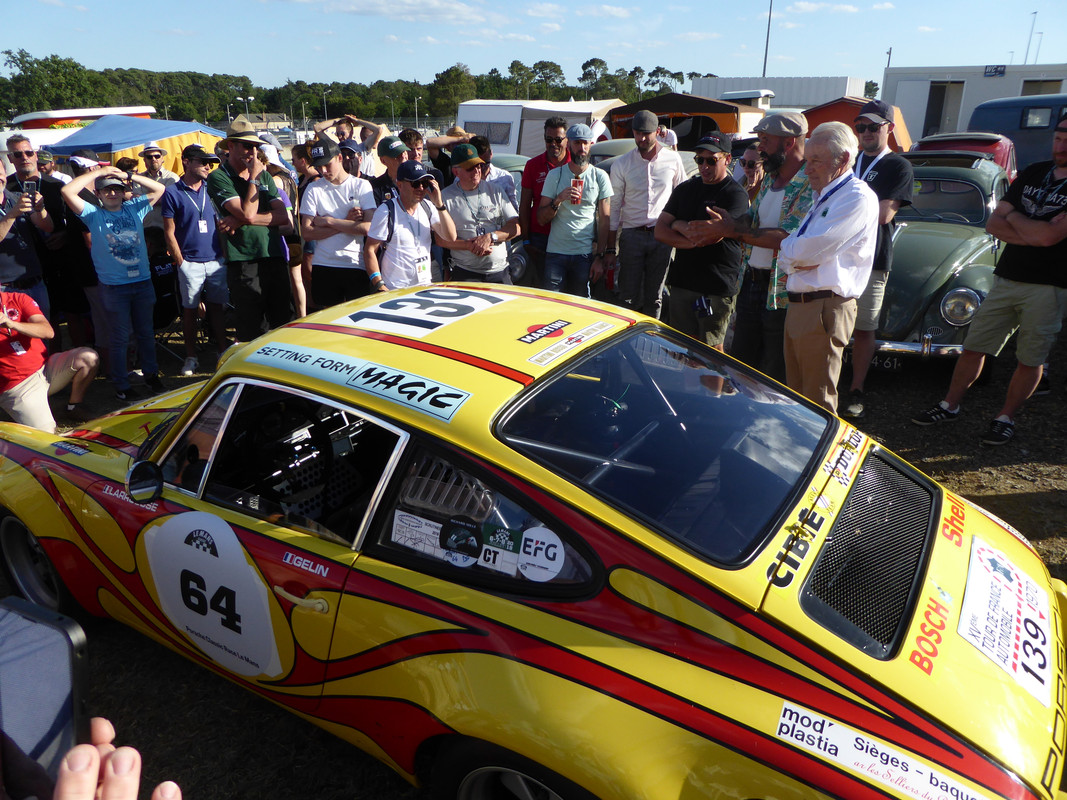
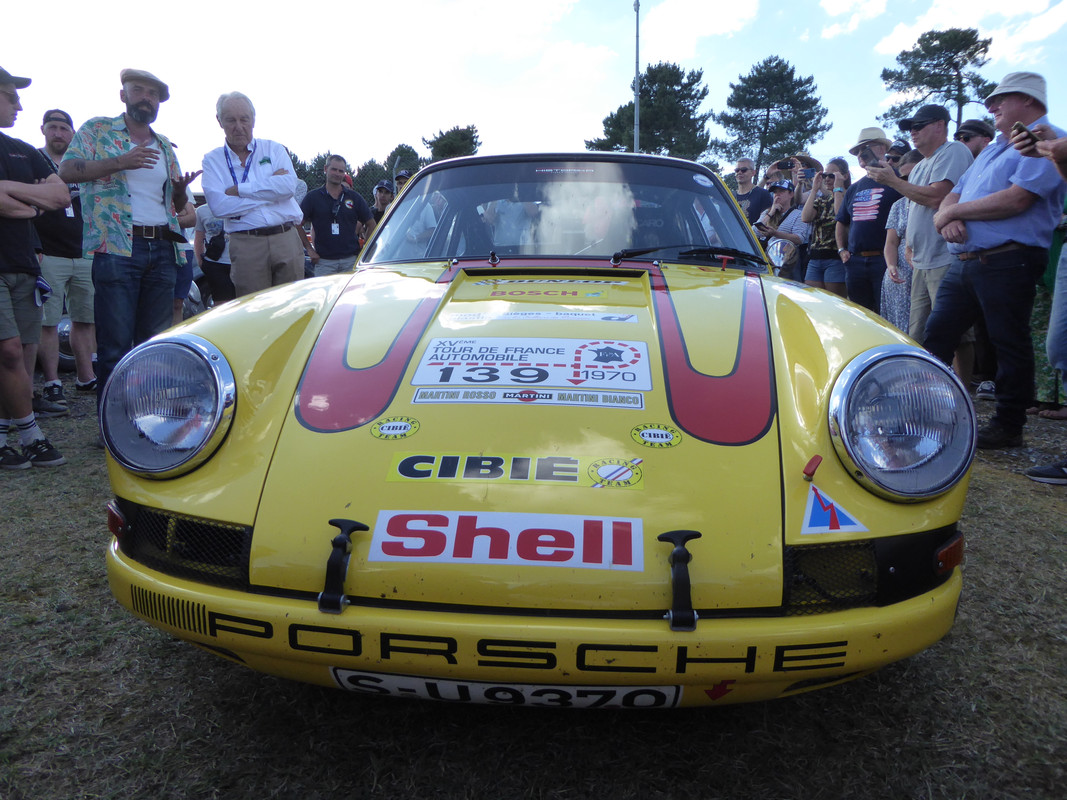
After a short speech, Gérard’s first stop was our Pimm’s bar at Steve’s right-hand-drive split-window Westphalia camper, the period feel this year enhanced by my Sounds of the ‘60s i-tunes mix; groovy. Special thanks to Registry member Paul Vernon for cycling back to camp twice in 80° heat for essential cocktail ingredients I had forgotten. The award for the most hangover-inducing drink went to the Belgians who brought along a Cactus schnapps in Auratium Green.
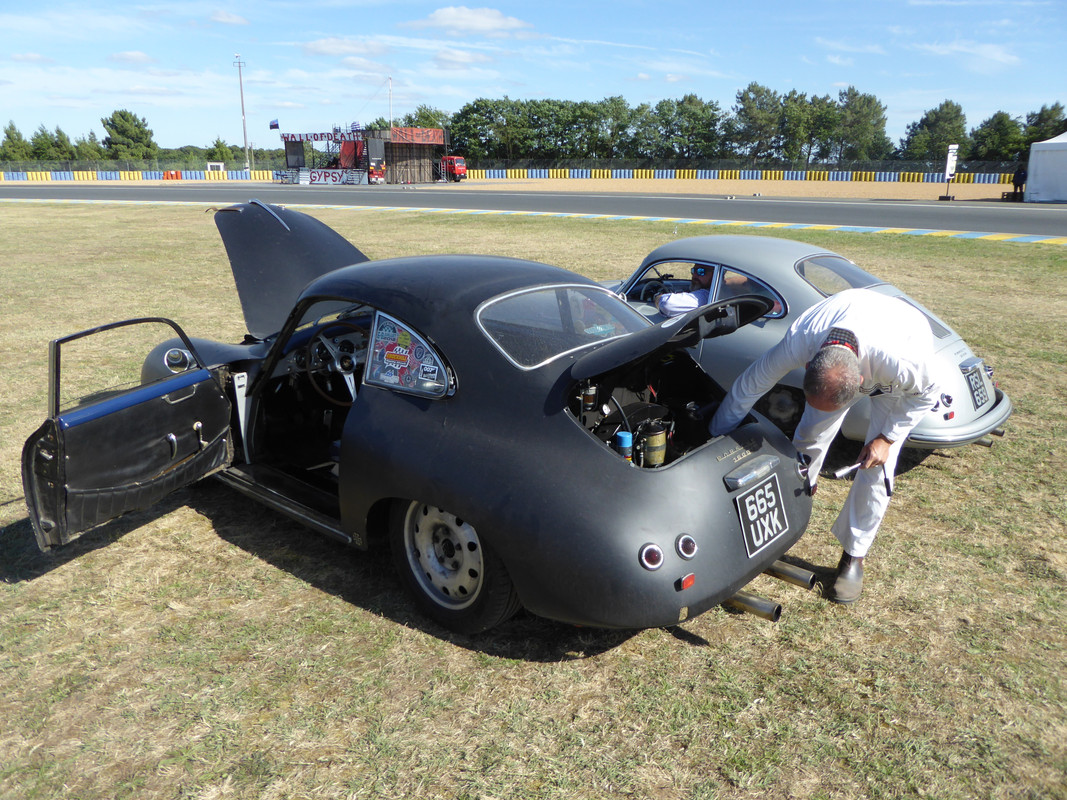
After the racing finishes on the Sunday and the crowds have departed there’s an opportunity to freely drive the access roads and the Bugatti track (not used for the 24 / Classic); we have yet to break onto the 24 track. Picking up the cars, the Outlaw was this time running on 3 cylinders. Dan whipped out the wet plug and the carb cleaner again & we were on our way.
Spying a photo opp at the ‘70 years of Porsche Clubs’ billboard, we lined up, at which point a pretty, young Mademoiselle approached Dan. She explained she was a model who had just done a photo shoot for Porsche France with the new 911 but she would like to do some modelling with our 356s. Ever the gentleman, Dan didn’t take up what seemed to me a decent proposal.
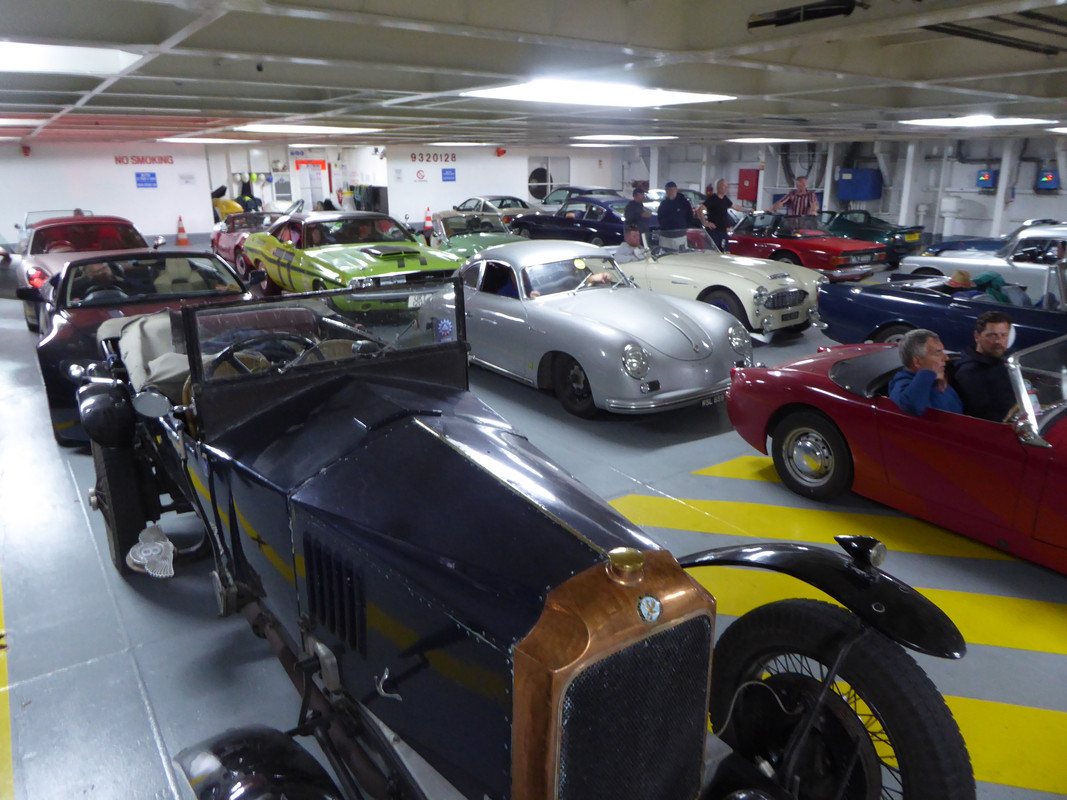
Travelling back on the Monday, a long lunch in historic Bernay resulted in the obligatory cross-country sprint to make the ferry, with a quick pit-stop to stock up on gifts of wine, chocolates and croissants. In the bar of the homeward bound ferry we agreed this was our favourite car event. Normally every 2 years, the next Classic is scheduled for 29th June to 2nd July 2023 celebrating 100 years of the 24 Heures du Mans. Now is the time to start planning…


 20220704_103833 by stretch1985, on Flickr
 20220701_081939 by stretch1985, on Flickr
 20220704_103930 by stretch1985, on Flickr
 20220704_115717 by stretch1985, on Flickr
 20220704_143154 by stretch1985, on Flickr
 20220706_142714 (1) by stretch1985, on Flickr